Quiet, Clever, and Kind: Building Stress‑Free Smart Homes
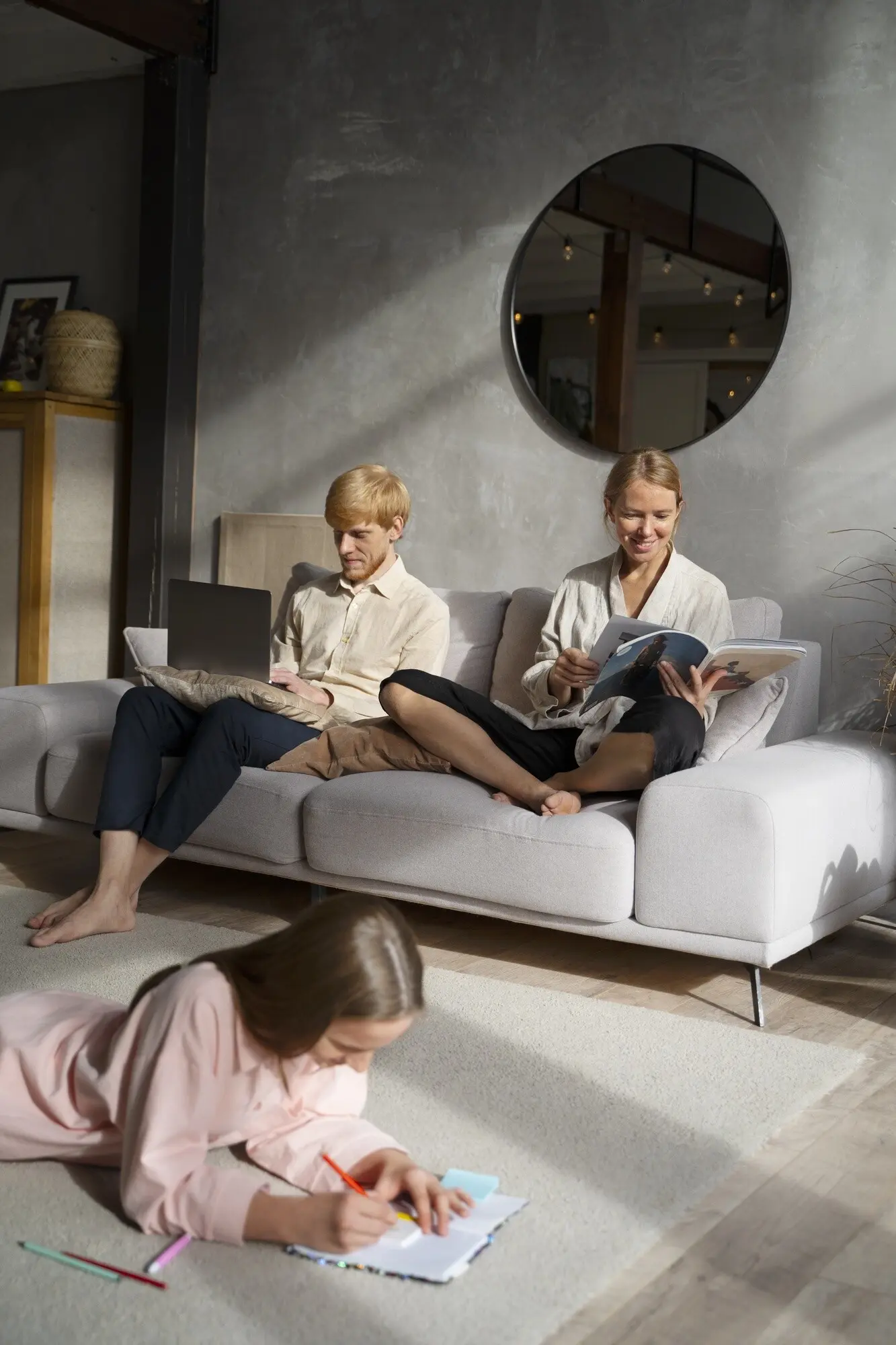
Explore Calm Technology principles for stress‑free smart homes, where devices respect your attention, inform gently, and recede until truly needed. We’ll translate research, field anecdotes, and practical patterns into actions you can try today. Expect stories about mornings that feel lighter, nights that stay peaceful, and tools that cooperate without drama. Share your experiences in the comments and subscribe for weekly, down‑to‑earth practices that make connected living kinder, quieter, and wonderfully human.

Signals That Whisper, Not Shout

Replace loud tones with soft light cues, gentle haptics, or delayed summaries that arrive when you naturally pause. A hallway lamp that dims blue when laundry finishes feels calmer than a buzzer. Calibrated intensity and distance keep information present without piercing conversation, concentration, or sleep.

Designing for the Periphery

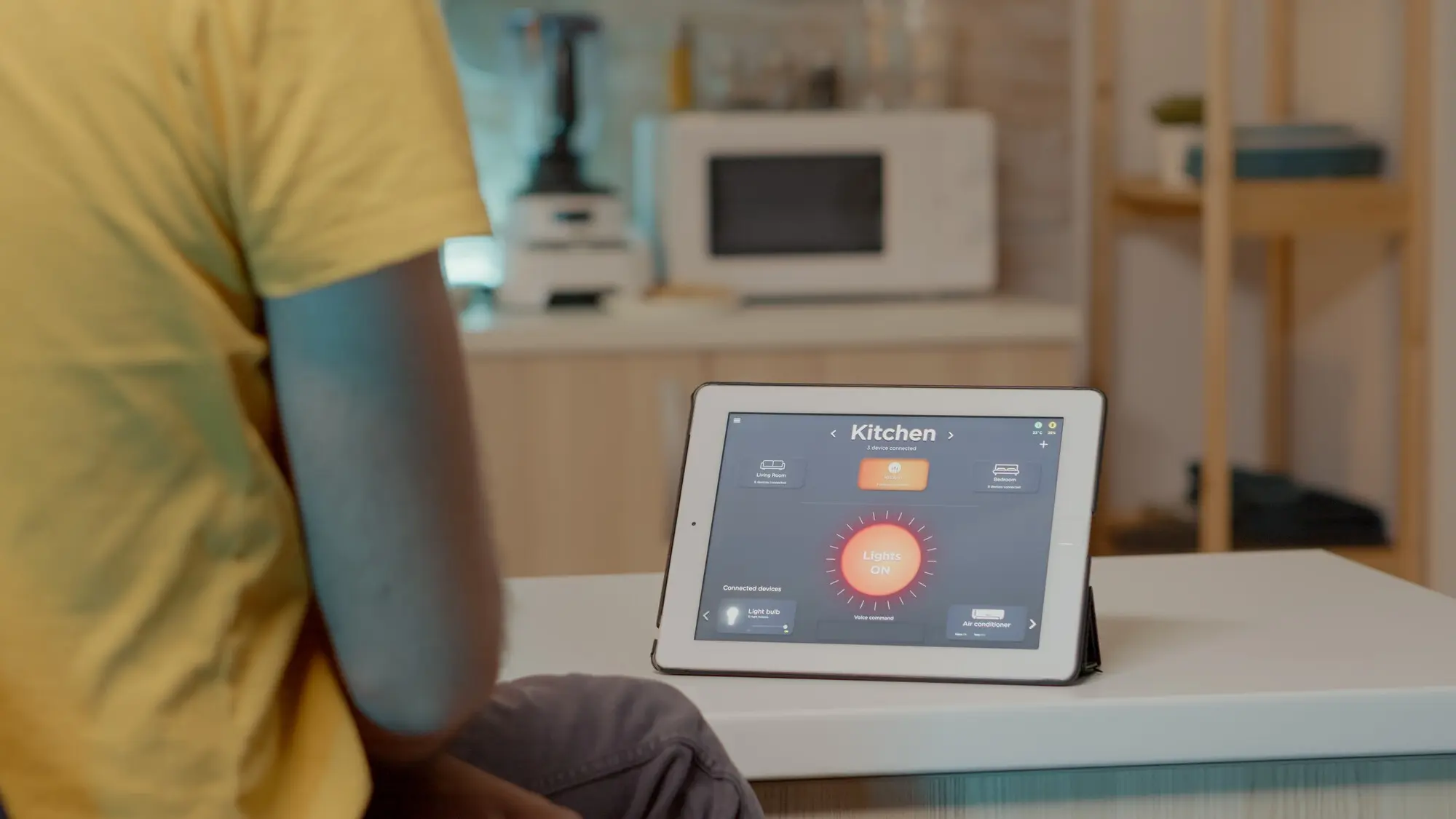
Place feedback where eyes and ears already wander, not at the center of every screen. A subtle temperature glow near the thermostat, a soft ventilation hum rising with humidity, or a tiny icon on a kitchen display lets you stay informed while cooking, reading, or talking, never yanked away.

Escalation Paths for Urgency

When a situation is truly urgent—water leak, smoke, or a door forced—signals should escalate predictably across channels. Start with local lights and haptics, then progress to louder tones and phone calls. Consistent patterns prevent panic, train memory, and avoid the exhausting chaos of every alert competing equally.

Start With People, Not Gadgets

{{SECTION_SUBTITLE}}

Mapping Mornings and Evenings
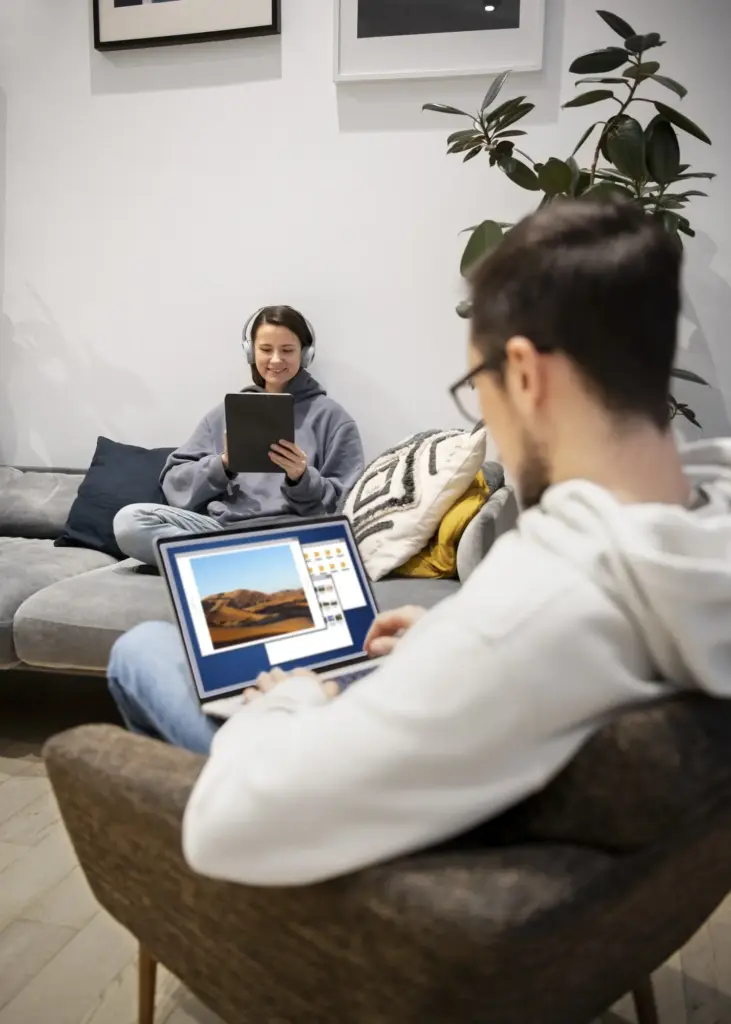
Sketch your wake‑up, commute prep, dinner, and wind‑down on a single page. Note where you hunt for switches, repeat steps, or negotiate with family. Introduce one calm improvement—a sensor that preheats water, or a light that follows sunrise—to support flow without adding yet another decision.

Accessibility as Default

Design for eyes of many ages, ears with sensitivity, and hands sometimes full. Larger touch areas, voice options that respect quiet hours, and readable contrast reduce stress across the household. When everyone can succeed the first time, technology feels friendly rather than exclusive, and support requests simply fade.

Ambient Communication That Feels Natural

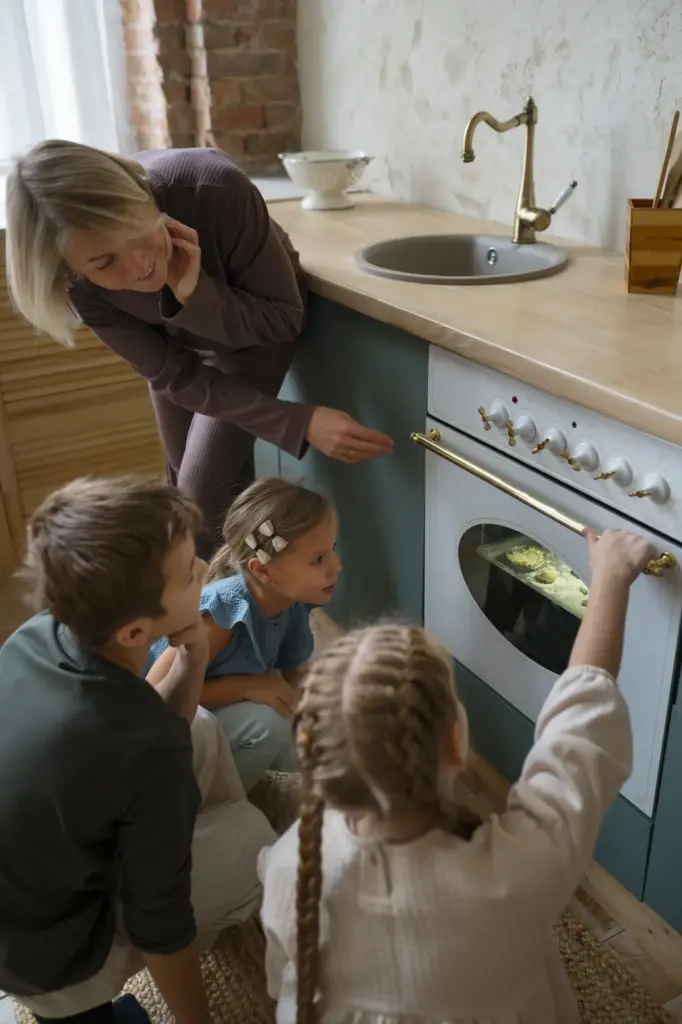
Great experiences speak in the background, using light, motion, warmth, or quiet sound to set context without demanding attention. We’ll explore multisensory patterns that reduce cognitive load while still conveying meaning. From an oven handle that glows as preheat completes to airflow that subtly responds to occupancy, comfort becomes intuitive and calm.

Ambient Light That Tells a Story

Use a familiar color language and gentle transitions. A kitchen strip warming from cool to amber hints at evening wind‑down, while a washer ring breathes softly during cycles. Short pulses convey changes; steady glows reassure stability. Consistency across rooms builds literacy, so anyone can glance, infer, and relax.

Haptic Cues That Reassure

When your hands are full or the house is quiet, a gentle double‑tap on a wristband confirming the door locked can feel perfect. Vary rhythm, not volume, to encode meaning. Maintain opt‑out controls and comfort tests, ensuring cues soothe rather than startle, especially during late hours or naps.

Soundscapes That Set Context

Replace brittle beeps with soft, short tones tuned to room acoustics. A barely audible two‑note flourish at meal time can coordinate family without shouting. Limit repetition, align with circadian rhythms, and scale volume with ambient noise. Music‑like cues reduce annoyance, build associations, and keep conversation clear and friendly.

Privacy You Can Feel Relaxed About

Calm living requires confidence that intimate spaces remain private. Favor local processing, minimal data, and clear controls that match plain‑language expectations. We’ll share patterns for consent, retention windows, and visitor modes that protect guests. When technology behaves generously with information, cortisol drops and everyone breathes easier, including skeptical relatives and curious kids.

Design for Power and Network Outages

Prioritize scenes that work offline, like manual switches that always override, and local automations that resume without sign‑in. A tiny uninterruptible supply can keep a hub alive through blips. Publish laminated checklists near entryways so guests and children know exactly how to restore comfort without hunting through apps.

Readable Logs for Humans

Record events in plain, time‑stamped language that answers who, what, when, and why. Instead of cryptic IDs, show room names, causes, and outcomes. During troubleshooting, clarity shortens stress, speeds fixes, and enables remote help from friends. When patterns emerge, you can redesign routines to avoid repeating yesterday’s surprises.

Safe Defaults over Clever Tricks

Favor predictable behavior that fails to the safest state. If presence is uncertain, keep doors locked, ovens off, and temperatures comfortable, not extreme. Cleverness that occasionally misfires creates constant vigilance. Reliability, even if slightly less “smart,” reduces cognitive load, preserves trust, and keeps evenings peaceful when everyone is tired.

Sustainable Ease, Every Single Day

{{SECTION_SUBTITLE}}

Energy Nudges Without Guilt

Offer suggestions at decision moments, not nagging afterwards. When the dryer completes at dusk, propose air‑drying the last bit with a friendly comparison and a one‑tap choice. Celebrate savings weekly with concise stories. Positive reinforcement makes conservation habitual, while pressure triggers avoidance and quiet resentment that undermines long‑term change.

Materials and Maintainability

Choose devices with replaceable parts, visible screws, and published repair guides. Calm also means fewer frantic replacements. Standardized batteries, durable finishes, and modules that survive firmware updates save money and landfill space. Post a simple maintenance calendar so filters, seals, and sensors stay healthy without last‑minute scrambles or mystery failures.